Where the future of medicine begins

Pre-Med Horizons
Residential Camp

at Harvard University

by Harvard College Union Society

A residential camp for students in Grades 8–12 exploring physiology, clinical skills, epidemiology, and evidence-based medicine at Harvard University.

Dates4 – 11 July 2027
08Days of Programming
01Capstone Challenge
∞Career Pathways
06Academic Days
08Days of Programming
01Capstone Challenge
∞Career Pathways
06Academic Days
The Vision

The future of health
will not be shaped
by physicians alone.

It will be shaped by innovators, researchers, entrepreneurs, policymakers, technologists, and healthcare leaders working together to tackle humanity's greatest challenges.

The HCUS Pre-Med Horizons Residential Camp at Harvard University introduces students to physiology, clinical skills, epidemiology, and evidence-based medicine, and to the realities of modern healthcare systems.

Working in teams on a real healthcare problem, students explore how they can contribute to building a healthier future for all.

Students explore how they can contribute to building a healthier future for all - as innovators, leaders, and changemakers.
HCUS Pre-Med Horizons Residential Camp · Harvard University
The Journey

Six days. One arc.

A guided progression from understanding the body to pitching a solution to a real healthcare problem.

  1. Day 2

    The Body & the System

  2. Day 3

    The Clinical Side

  3. Day 4

    Epidemiology & Data

  4. Day 5

    Research, Ethics & Design

  5. Day 6

    Final Prep

  6. Day 7

    Pitch Day

The Framework

A program built
around you.

Three pillars define how the Program works - who it serves, how it unfolds, and what students carry forward.

  1. 01
    Who It's For

    Students in Grades 8–12 curious about medicine, public health, biotech, or health policy - no prior coursework required.

  2. 02
    How It Works

    An interdisciplinary schedule runs Monday through Saturday, with labs, skills stations, and team time that build toward a final pitch and awards.

  3. 03
    What You'll Gain

    Hands-on clinical skills, a grounded understanding of health systems, and a clear vision for your own path in medicine and health.

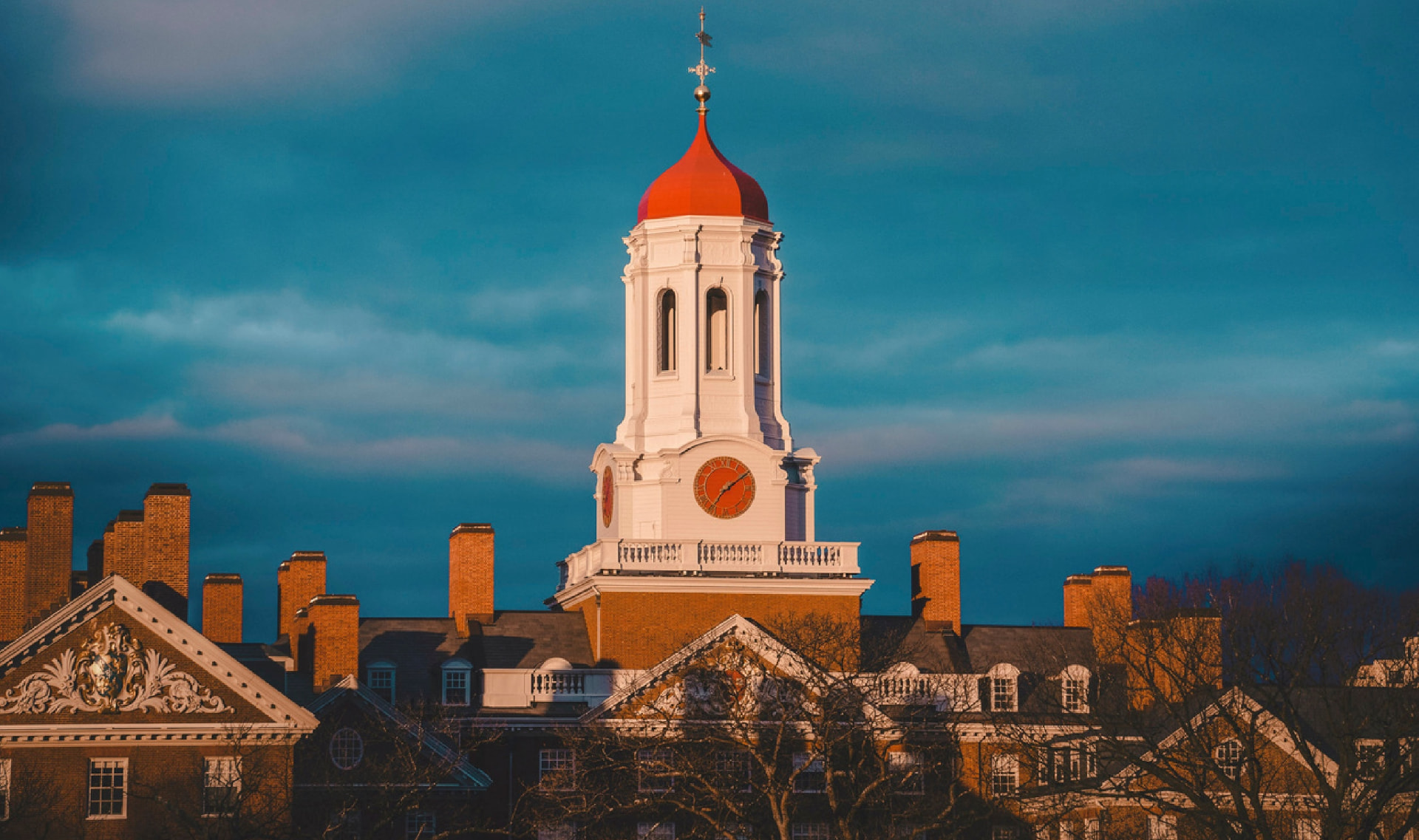
Harvard University campus
Camp Details

A camp built to shape the future of medicine.

Dates
4 – 11 July 2027
Format
Residential Camp
Location
Harvard University,Cambridge, MA
Grades
8 – 12
Recognition
HCUS Certificateof Participation
Program Fee

4250 USD

per student

Certificate of Participation from Harvard College Union Society

Application Deadline

10 April 2027

Apply Now

Full Curriculum & Instruction

Academic program

Meals Included

Meals on all program days

Outings & Excursions

Program-related outings & excursions

Interactive Workshops

Interactive workshops & case studies

All Program Materials

All program materials & resources

Stay Included

Stay for all program days

What will you learn?

Six days · From discovery to delivery
  1. 01

    Monday

    The Body & the System

    Discover how the body and the healthcare system work. Teams choose their challenge and write a problem statement.

  2. 02

    Tuesday

    The Clinical Side

    Explore clinical medicine. Teams look at their challenge from the patient’s and the doctor’s side.

  3. 03

    Wednesday

    Epidemiology & Data

    Explore epidemiology and data. Teams find out how big the problem is and who it affects most.

  4. 04

    Thursday

    Research, Ethics & Design

    Study research, ethics and design. Teams pick a solution and test it against tough questions.

  5. 05

    Friday

    Final Prep

    Practise hands-only CPR and AED skills, revise the pitch, finish slides and proposals, and prepare for likely questions.

  6. 06

    Saturday

    Pitch Day

    Pitch to the panel, receive feedback and explore careers in medicine and public health, followed by awards and certificates.

Program Schedule

A week on campus.One capstone.

Sunday arrival and departure frame six academic days, Monday through Saturday.

Day 01 · Sunday

Arrival at the Hotel

Cambria Hotel Boston Somerville · Check-In & Welcome
Day 02

Monday

The Body, the System & the Challenge

Students learn how the body keeps itself in balance and how the U.S. healthcare system is organized. Then each team chooses a problem that involves both.

  • 9:00 am – 9:15 amWelcome & IcebreakerMedical myths and facts: vote and explain your answer.
  • 9:15 am – 10:30 amHomeostasisFeedback loops for blood sugar, blood pressure and body temperature, what happens when disease breaks them, and infectious vs. chronic disease.
  • 10:30 am – 10:45 amSnack break
  • 10:45 am – 12:00 pmHeart Dissection LabTrace the path of blood through the chambers and valves, with a 3D model or virtual dissection for anyone who opts out.
  • 12:00 pm – 12:45 pmLunch
  • 12:45 pm – 2:15 pmHow Healthcare WorksWho provides care, how it gets paid for, and treating one patient vs. protecting a population.
  • 2:15 pm – 2:30 pmSnack break
  • 2:30 pm – 3:40 pmChoosing the ChallengeTeams rank the challenges, get assigned one, and write a first problem statement.
  • 3:40 pm – 4:00 pmWrap-upExit ticket: Which part of your challenge is a biology problem, and which part is a systems problem?
Day 03

Tuesday

The Clinical Side

Students practice basic exam skills and how doctors work toward a diagnosis, then trace their challenge through one patient's experience.

  • 9:00 am – 9:15 amNormal or Not?Decide whether vital signs are normal for an athlete, someone with a fever, or someone dehydrated.
  • 9:15 am – 10:30 amThe Patient VisitTaking a history with OPQRST, writing a SOAP note, reading a basic ECG, and building a list of possible diagnoses.
  • 10:30 am – 10:45 amSnack break
  • 10:45 am – 12:00 pmClinical Skills StationsHeart and lung sounds, blood pressure by hand, a simple neuro exam, and ECG strips and sample lab results.
  • 12:00 pm – 12:45 pmLunch
  • 12:45 pm – 2:15 pmPatient SimulationTake a history from a patient connected to your challenge, write a SOAP note, and find where their care went wrong.
  • 2:15 pm – 2:30 pmSnack break
  • 2:30 pm – 3:40 pmPatient Journey MapMap the path from first symptom to treatment and mark every barrier, such as cost, distance, stigma or bad information.
  • 3:40 pm – 4:00 pmWrap-upExit ticket: Where in that path would a solution help the most?
Day 04

Wednesday

Epidemiology & Data

Students learn how public health measures disease across a population, then use real data to show how big their problem is.

  • 9:00 am – 9:15 amGuess the StatEstimate a health statistic, then see the real number.
  • 9:15 am – 10:30 amEpidemiologyIncidence and prevalence, risk factors, correlation vs. causation, screening test accuracy, and social determinants of health.
  • 10:30 am – 10:45 amSnack break
  • 10:45 am – 12:00 pmOutbreak SimulationWork out who patient zero was, then run it again with "vaccinated" students to see how the spread changes.
  • 12:00 pm – 12:45 pmLunch
  • 12:45 pm – 2:15 pmReal-World DataPull numbers from sources such as the CDC, County Health Rankings and KFF, and chart how big the problem is and who it hits hardest.
  • 2:15 pm – 2:30 pmSnack break
  • 2:30 pm – 3:40 pmRoot Cause AnalysisBuild a "5 whys" chart or fishbone diagram and share it for feedback.
  • 3:40 pm – 4:00 pmWrap-upExit ticket: What was the most surprising number you found?
Day 05

Thursday

Research, Ethics & Solution Design

Students learn how to tell whether an intervention works, think through the ethics, and design their own solution.

  • 9:00 am – 9:15 amExplain It to the PatientRewrite a sentence full of medical jargon in plain language.
  • 9:15 am – 10:30 amClinical Trials & Medical EthicsRandomization, placebos and control groups, reading an abstract with PICO, levels of evidence, the four principles of medical ethics, and health equity.
  • 10:30 am – 10:45 amSnack break
  • 10:45 am – 12:00 pmJournal ClubRead a short study or program review about your challenge and report what worked and what didn't.
  • 12:00 pm – 12:45 pmLunch
  • 12:45 pm – 2:15 pmDesign TimeBrainstorm, rate ideas on impact and how realistic they are, pick one, and draft a plan, budget and way to measure success.
  • 2:15 pm – 2:30 pmSnack break
  • 2:30 pm – 3:40 pmPractice PitchesFive-minute pitches while everyone else plays skeptical funders.
  • 3:40 pm – 4:00 pmFeedback CircleOne strength and one thing to fix for each team.
Day 06

Friday

Final Prep

Teams revise their pitches and slides, finish their proposals, and practise for likely questions.

  • 9:00 am – 9:15 amWarm-upA short medical puzzle or quiz.
  • 9:15 am – 10:30 amHands-Only CPR & AED TrainingPractice on manikins with a certified instructor.
  • 10:30 am – 10:45 amSnack break
  • 10:45 am – 12:00 pmRevise the PitchTeams revise their pitches and slides based on Thursday's feedback.
  • 12:00 pm – 12:45 pmLunch
  • 12:45 pm – 2:15 pmSlides & ProposalTeams finish their slides and one-page proposal.
  • 2:15 pm – 2:30 pmSnack break
  • 2:30 pm – 3:40 pmTimed Run-ThroughFull-length practice pitches and preparation for likely questions.
  • 3:40 pm – 4:00 pmWrap-upSaturday logistics; business casual for the pitches.
Day 07

Saturday

Pitch Day

Teams present to a panel, receive feedback, and explore careers in medicine and public health.

  • 9:00 am – 9:15 amTeam HuddleQuick practice questions.
  • 9:15 am – 10:30 amPitches, Teams 1 – 3Each team gives a 15-minute pitch and answers 5 minutes of questions from the panel.
  • 10:30 am – 10:45 amSnack break
  • 10:45 am – 12:00 pmPitches, Teams 4 – 5The last two pitches, then the panel talks them over.
  • 12:00 pm – 12:45 pmLunch
  • 12:45 pm – 2:15 pmPanel FeedbackThe panel gives each team feedback on the problem, the evidence, the solution, how realistic it is, and the delivery.
  • 2:15 pm – 2:30 pmSnack break
  • 2:30 pm – 3:40 pmCareer Q&AStudents ask the panel (a doctor, someone in public health, a hospital administrator or a medical student) about careers in medicine and public health.
  • 3:40 pm – 4:00 pmAwards & CertificatesAwards (Most Creative Solution, Strongest Evidence, Best Use of Data), certificates and a group photo.
Day 08 · Sunday

Departure from the Hotel

Cambria Hotel Boston Somerville · Check-Out & Departures
Students collaborating on a healthcare project
Signature ChallengeTeam-Based

The Future
of Health
Challenge.

Working in teams of three, students pick a real healthcare problem on Monday and develop a solution through the week - from problem analysis through a final pitch to a panel on Saturday.

Example Topics
  • Antibiotic ResistanceInfections that no longer respond to antibiotics.
  • Teen VapingPrevention for a habit that starts young.
  • Vaccine ConfidenceVaccine hesitancy and health misinformation.
  • Type 2 Diabetes in TeensA chronic disease reaching younger patients.
  • Rural Access to CareGetting care when the nearest clinic is far away.
  • Youth Mental HealthThe shortage of mental health care for teens.
Capstone Deliverables

What teams produce.

  1. 01Problem AnalysisHow big the problem is, who it affects, and its root causesPhase 1
  2. 02Evidence ReviewWhat has already been tried and what the research saysPhase 2
  3. 03Solution DesignA program, policy, app, or clinic model with a plan and rough budgetPhase 3
  4. 04Impact & EthicsHow to measure success, and one ethical or fairness concernPhase 4
  5. 05Final PitchA 15-minute pitch, 5 minutes of panel questions, and a one-page proposalPhase 5
Outcomes

What students take away.

Biological & Social Foundations

Understand how the body stays in balance and the social factors that shape health.

Foundations

Clinical Skills

Take a history, write a SOAP note, check blood pressure, and read an ECG.

Clinical

Leadership & Communication

Lead a team project, pitch to a panel, and explain medicine in plain language.

Leadership

Data & Evidence

Use real data and research to measure a health problem and judge what works.

Analysis

Design & Systems Thinking

Apply design thinking and systems thinking to health problems

Systems

Your Future Path

Build a vision for your future role in healthcare and health innovation

Vision
Outings and Excursions

Step outside the classroom.

Program-related outings and excursions.

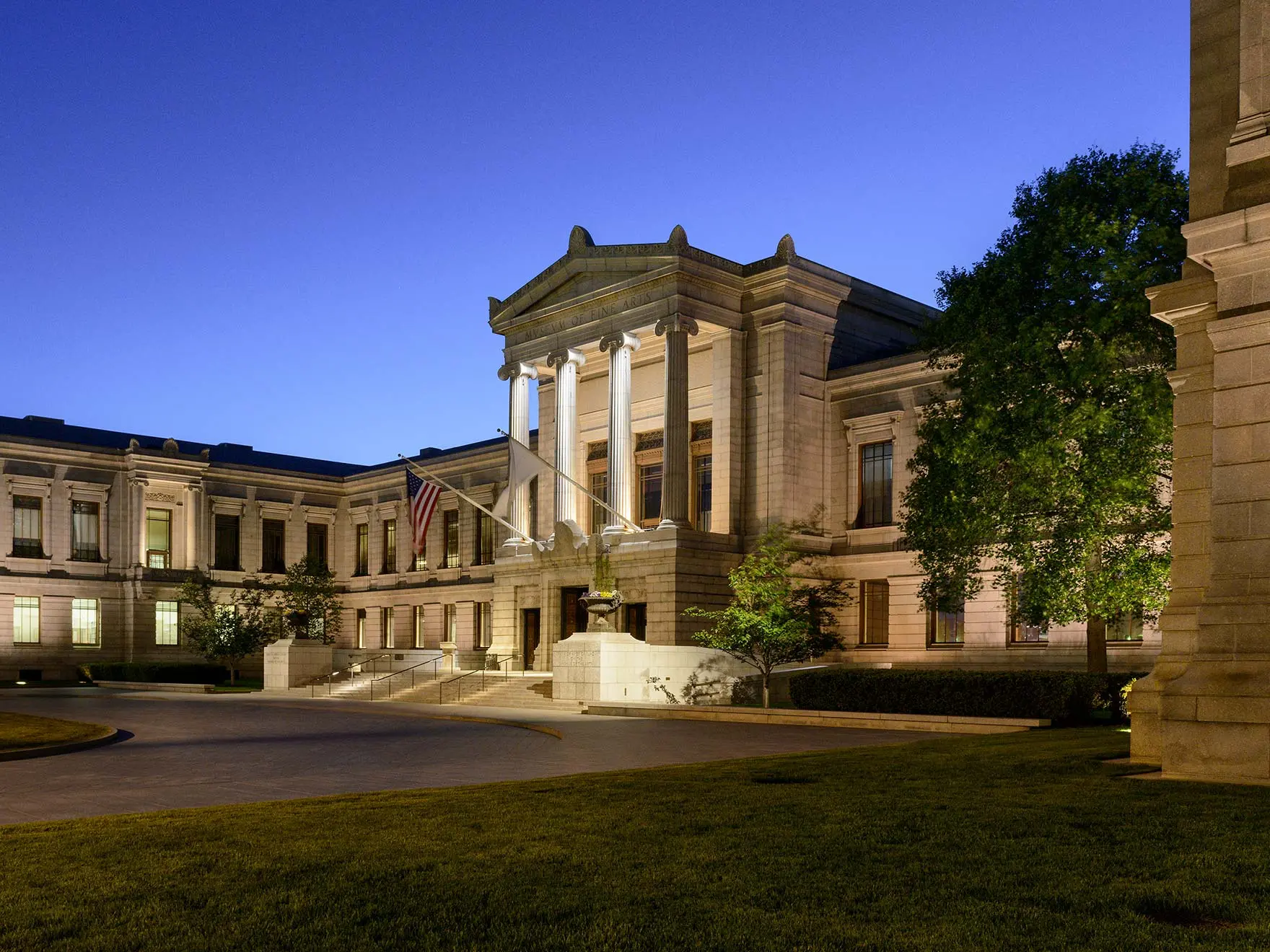
Museum Visit - Museum of Fine Arts (MFA), Boston
01 Museum of Fine Arts (MFA), Boston

Museum Visit

Visit one of Boston's premier cultural institutions with a guided tour followed by a reception in the museum's elegant event spaces.

Harvard Campus Tour - Harvard University, Cambridge
02 Harvard University, Cambridge

Harvard Campus Tour

Walk through nearly 400 years of history on Harvard's iconic grounds. Visit Harvard Yard, the libraries, and learn about storied traditions.

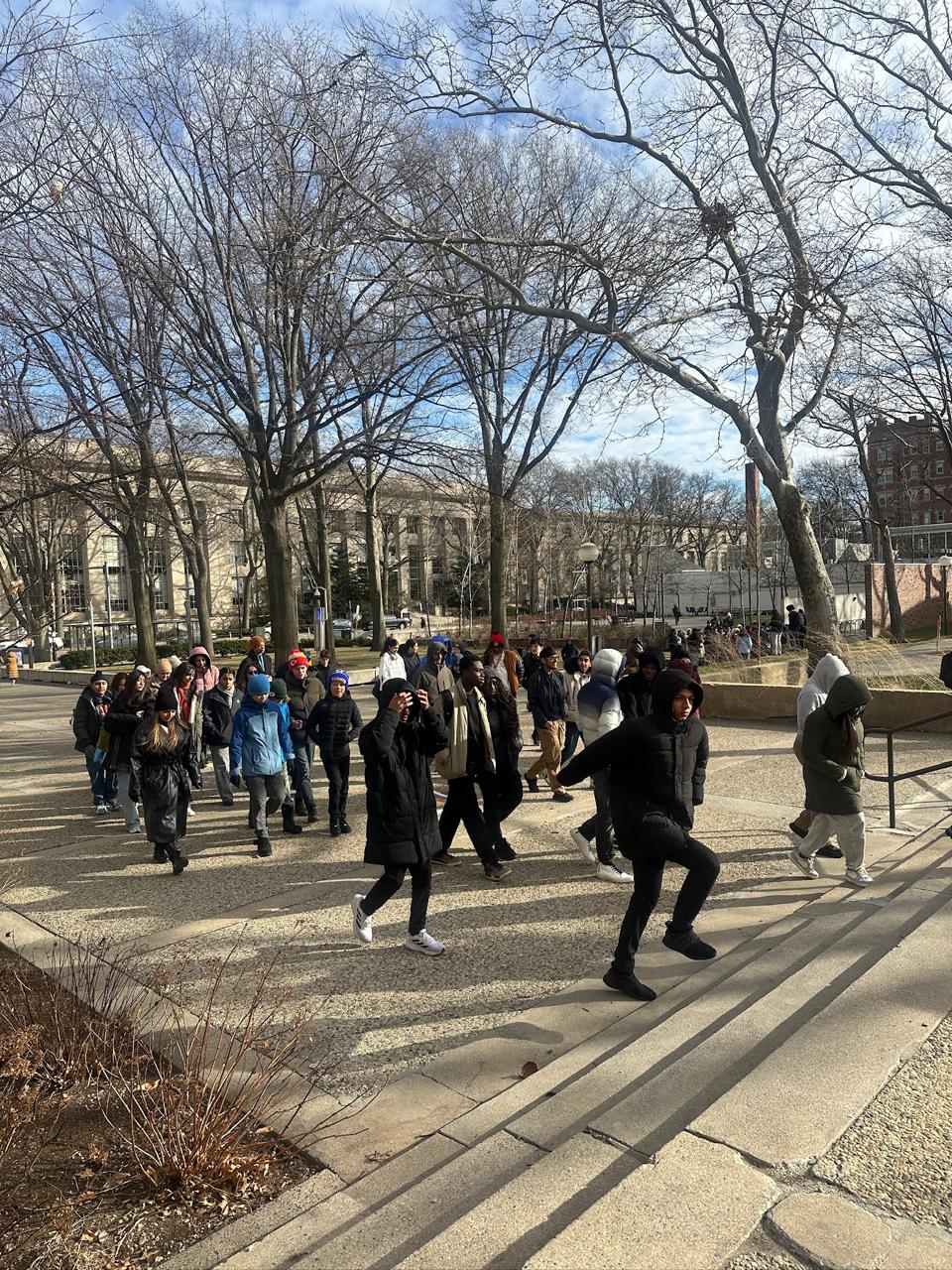
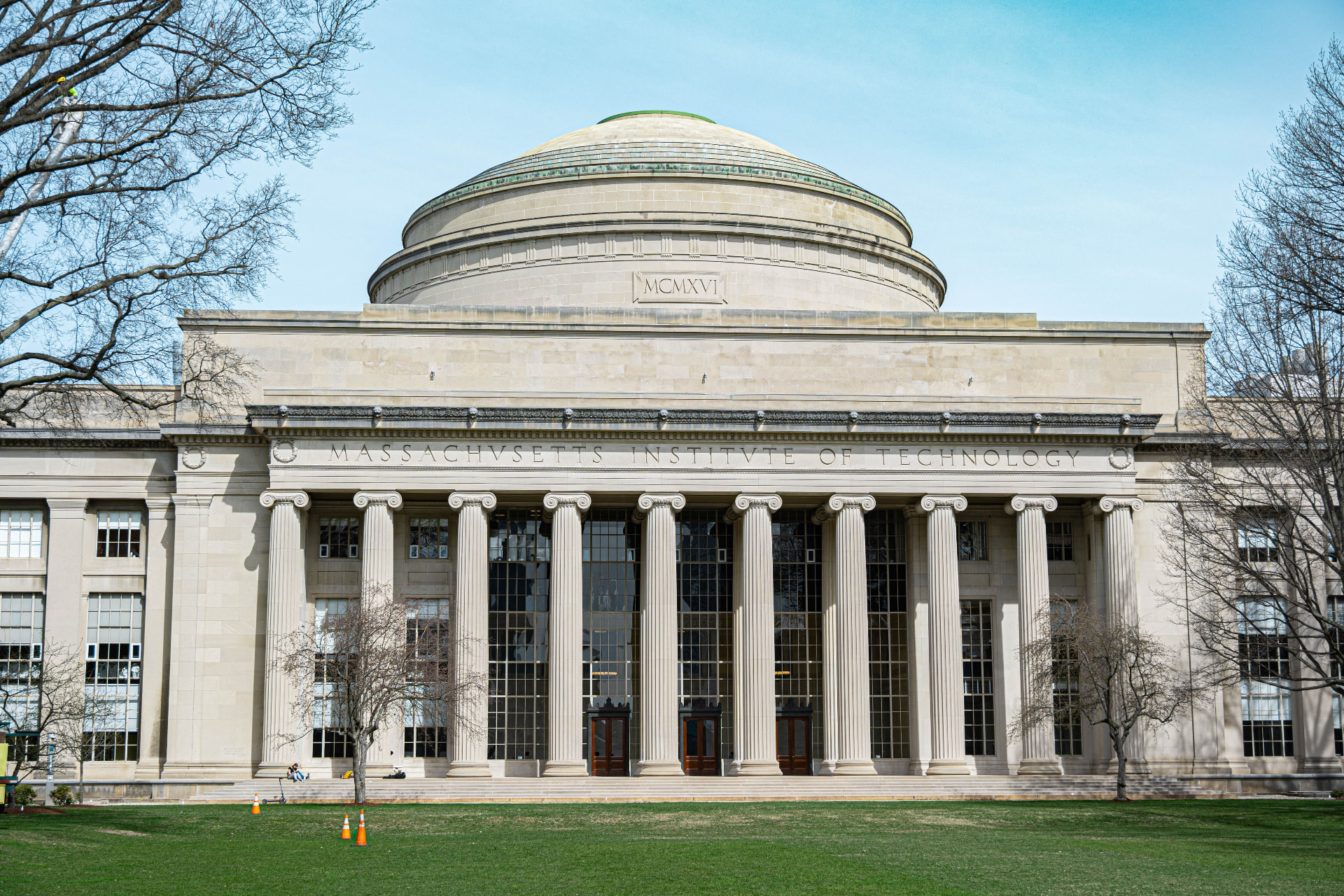
MIT Tour - Massachusetts Institute of Technology
03 Massachusetts Institute of Technology

MIT Tour

Discover cutting-edge innovation at MIT. Explore the campus, visit notable landmarks, and learn about groundbreaking research.

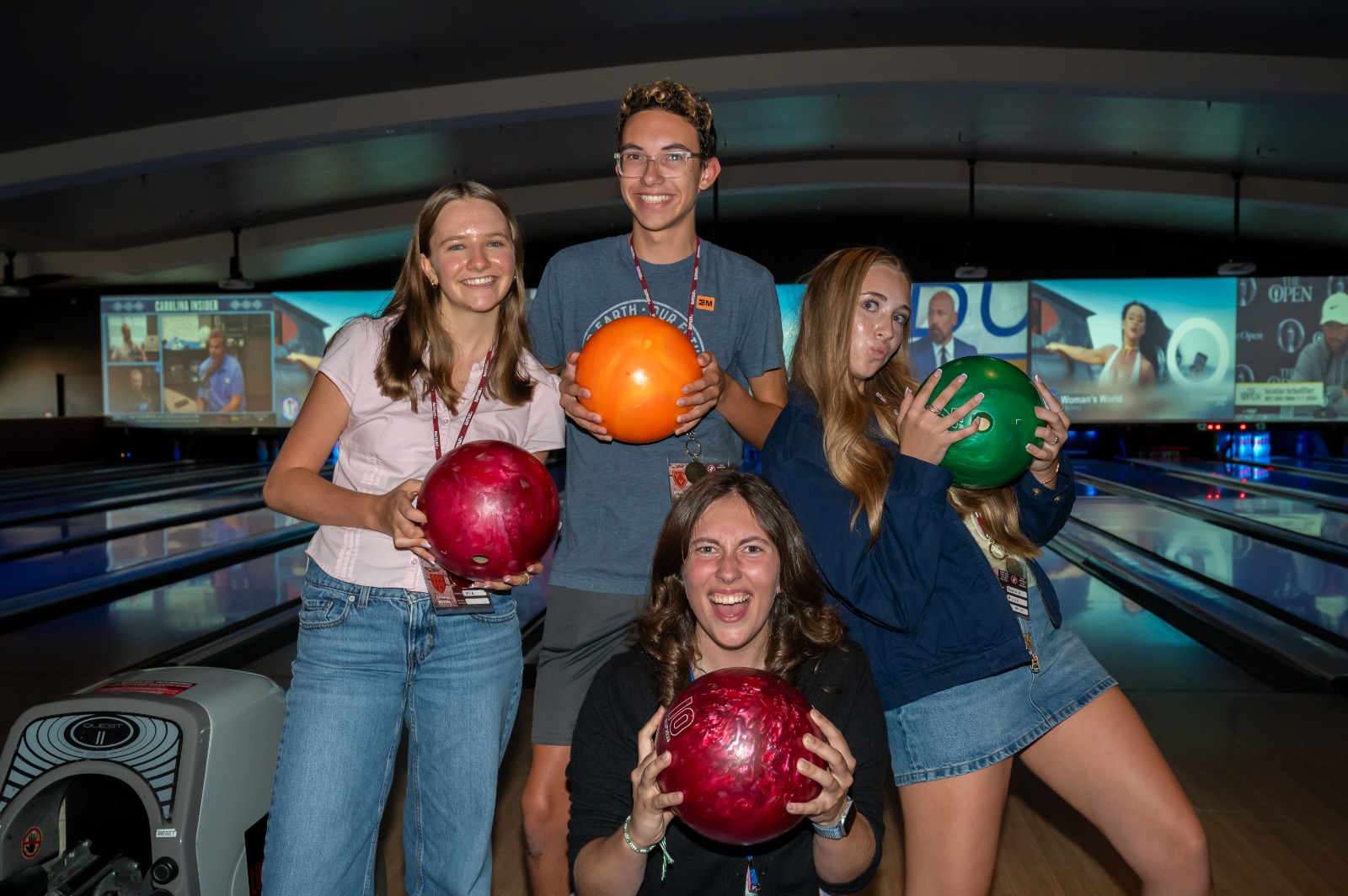
Bowling - Kings Dining & Entertainment, Seaport
04 Kings Dining & Entertainment, Seaport

Bowling

Kings offers multiple lanes and dedicated event spaces with tailored food and beverage packages. Advance booking is essential to secure sufficient lanes and dining space for large groups.

Farewell Dinner - Cambria Hotel
05 Cambria Hotel

Farewell Dinner

To celebrate your hard work, the camp will conclude with a farewell dinner. We will have sweet treats and great music. The Cambria and HCUS staff do not permit bringing outside food or beverages, including bottled water. Drinks and desserts will be provided.

Basketball Game - TD Garden, Boston
06 TD Garden, Boston

Basketball Game

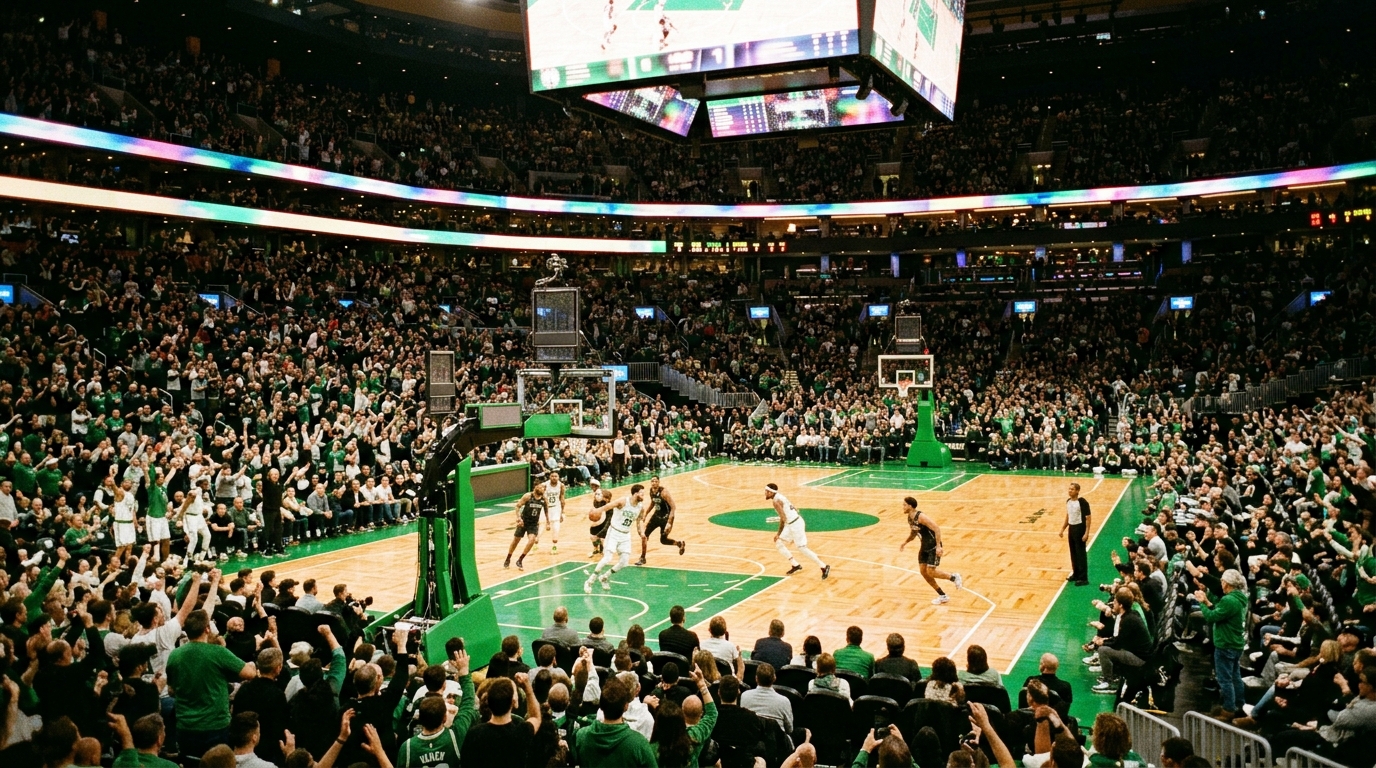
A Boston Celtics game at TD Garden is an exciting group experience, with group seating and catering options available. Arrive around 7:00 PM for the 7:30 PM tip-off.

Get to Know Where You Will Stay

Cambria Hotel
Boston Somerville

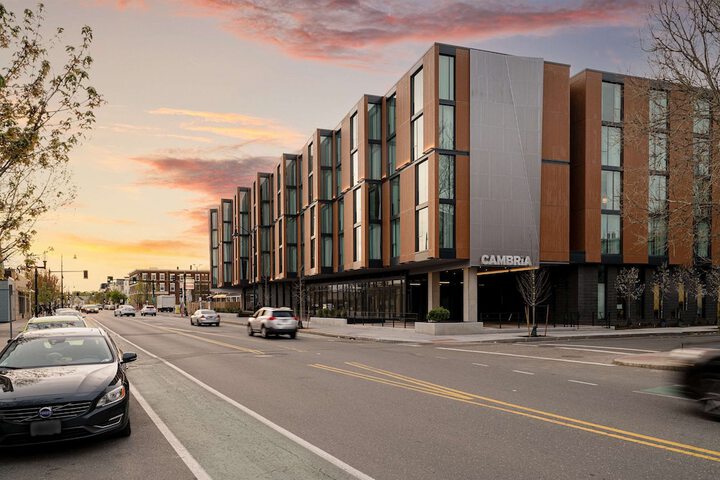
The upscale Cambria Hotel Boston Somerville is situated between Somerville’s Union and Porter Squares, just over half a mile from Harvard University and less than 2 miles from Tufts University and MIT.

It is also across the street from Somernova, home to Boston Bouldering Project, Aeronaut Brewing, Artisan’s Asylum, and Greentown Labs, North America’s largest climate technology incubator. Nearby attractions include Assembly Row, Bunker Hill Monument, the USS Constitution, and Encore Casino. Visitors can immerse themselves in Somerville’s vibrant neighborhood, where artists, researchers, and entrepreneurs live and work together.

Cambria Hotel Boston Somerville exterior
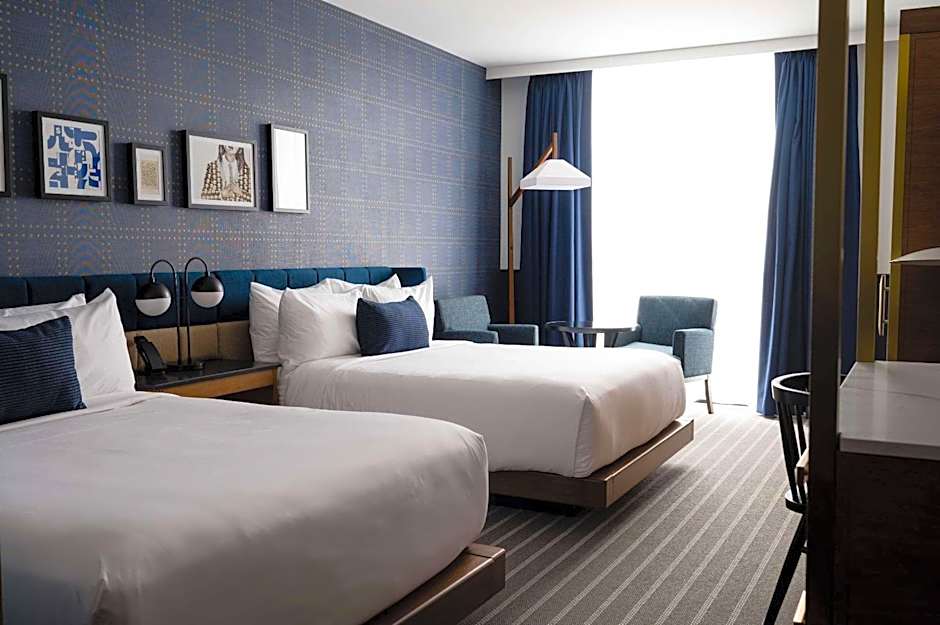
Cambria Hotel Boston Somerville guest room
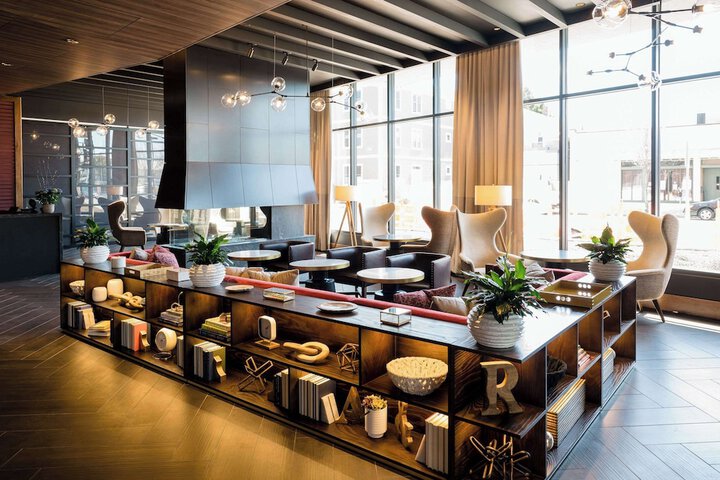
Cambria Hotel Boston Somerville lounge
Harvard Student Mentors

Learn from those walking the path.

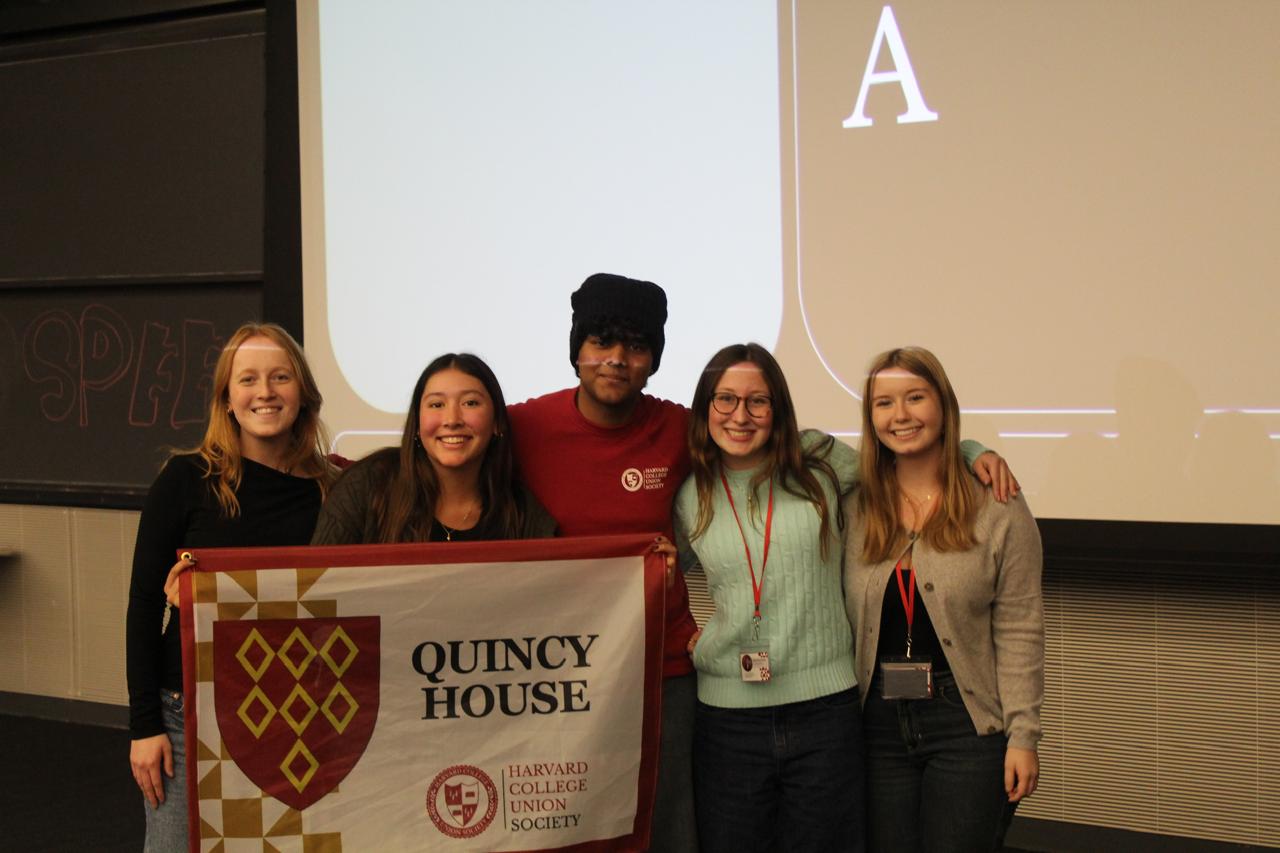
Learn with Harvard student mentors from the Harvard College Union Society (HCUS).

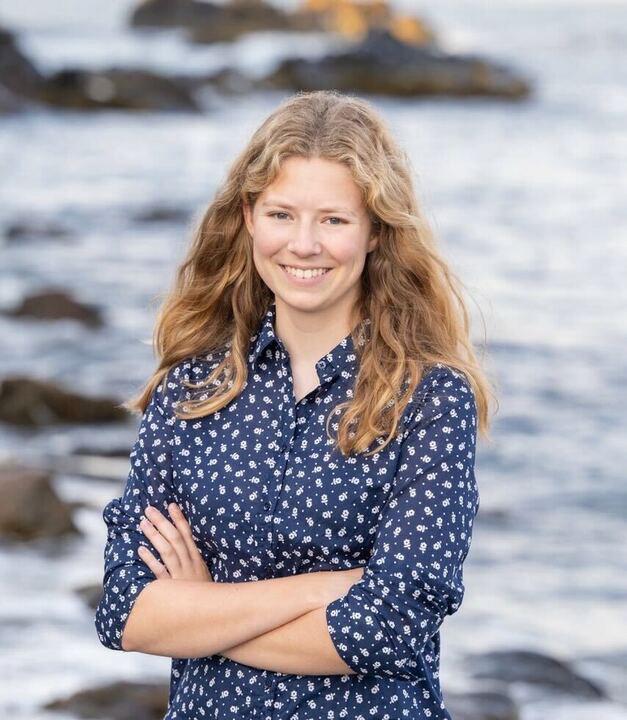
Theresa (Tess) Straw

Theresa (Tess) Straw

Harvard University Student

Tess is a sophomore pursuing a joint concentration in Statistics and the History of Science. She serves as President of the Harvard College Union Society. Beyond academics, Tess competes on Harvard's sailing team and performs as an electric bassist in jazz ensembles and student productions.

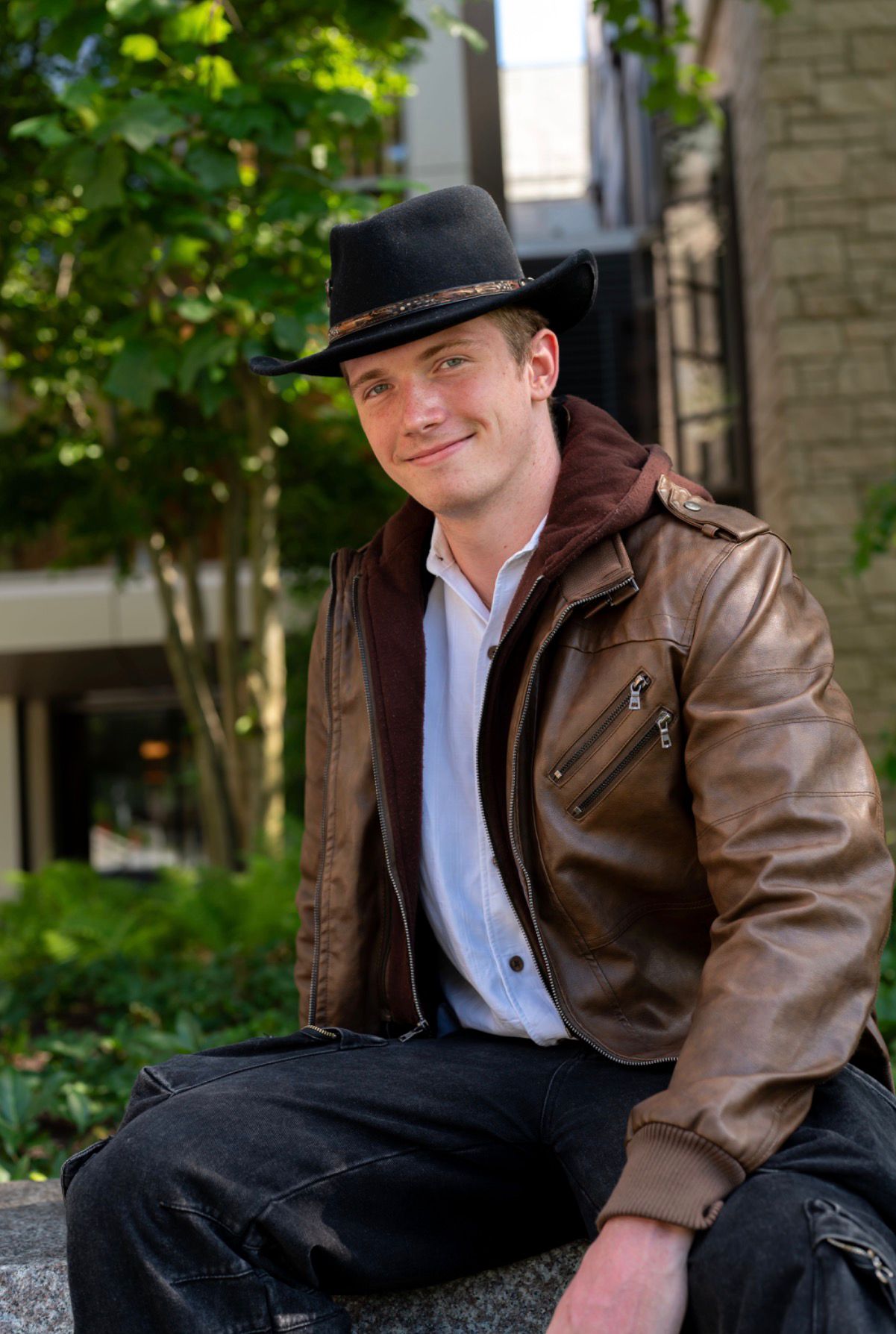
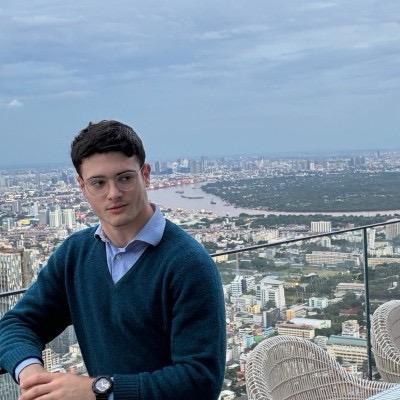
Brody Douglass

Brody Douglass

Harvard University Student

Brody Douglass is a sophomore majoring in Economics with a minor in philosophy. He is also a midshipman in Navy ROTC and plans to commission as an officer in the Navy after he graduates. Through previous projects, Brody has experience in leadership, management, local activism and state government. He has a passion for empowering others to speak freely and eloquently to represent their ideas in the best possible light to improve public discourse.

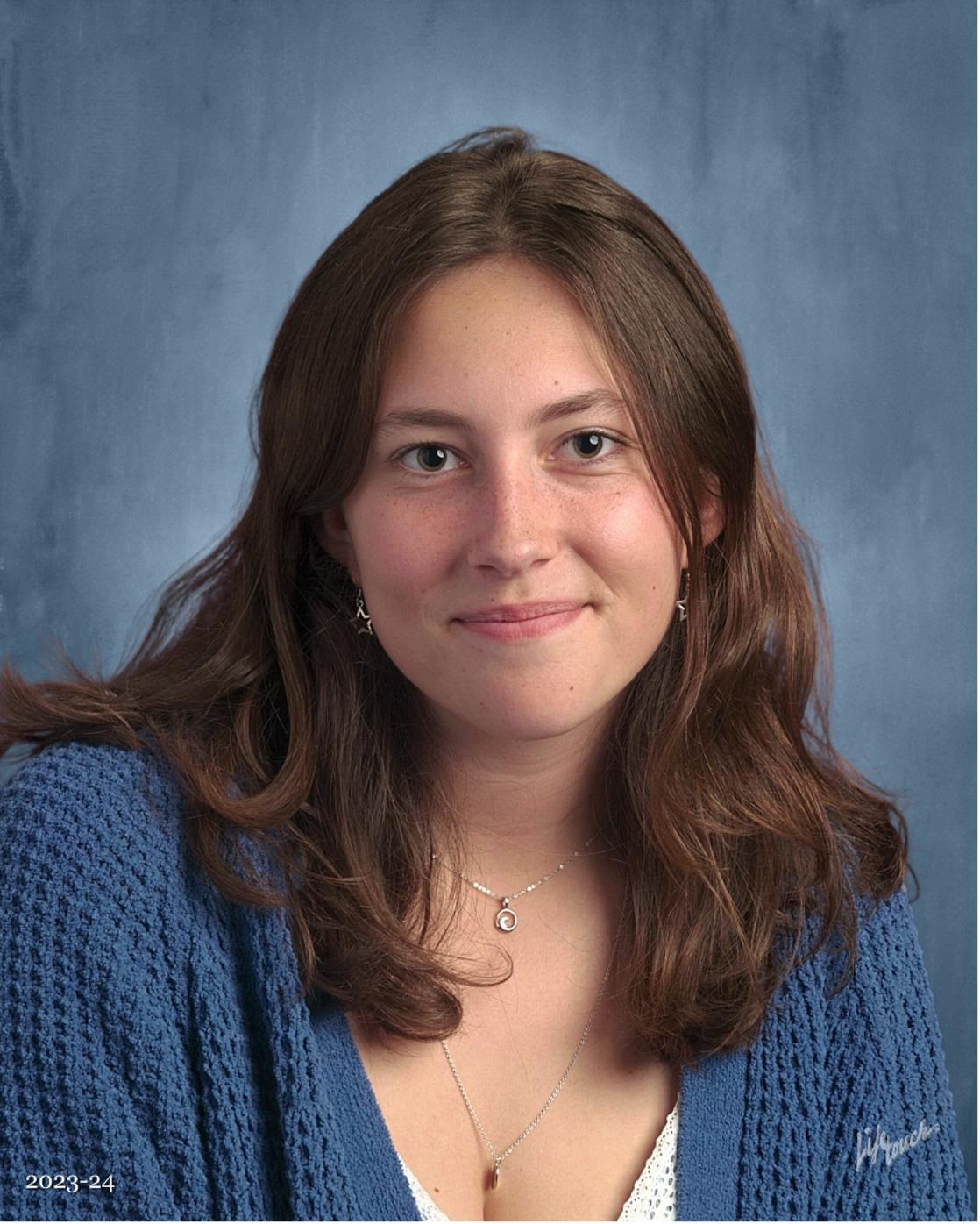
Carolina Loeffel

Carolina Loeffel

Harvard University Student

Callie is a sophomore at Harvard College, originally from a small town on the south shore of Massachusetts. She is planning to concentrate in Psychology and Economics. On campus, she works with the international relations council and is an active member of the Harvard Undergraduate Drummers, an alternative percussion group.

Thomas Fleming

Thomas Fleming

Harvard University Student

Thomas is a sophomore at Harvard College studying Theology, History, and Government. He was born and raised in Austin, Texas, and is currently pursuing a commission within the United States Marine Corps. In his free time he enjoys exploring Boston, painting, and enjoying a new book!

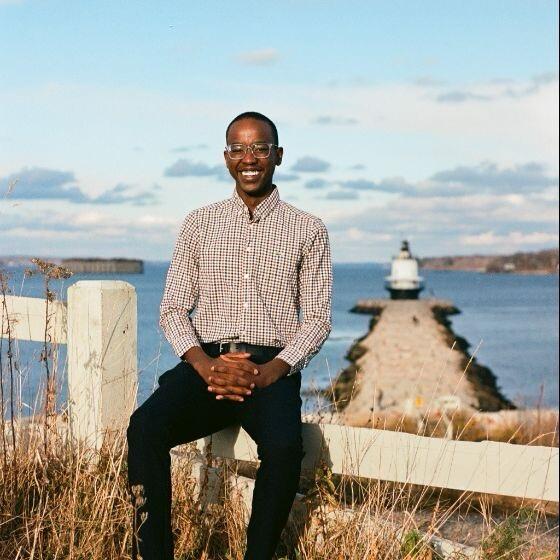
Chris Irankunda

Chris Irankunda

Harvard University Student

Chris is a freshman at Harvard College planning to concentrate in Integrative Biology with a secondary focus on Global Health and Health Policy. Raised in Rubavu, Rwanda, he is involved with the Harvard College Union Society, where he debates on numerous issues that foster civil discourse.

* Mentors are subject to change

Harvard University campus
Behind the Program

HCUS: Harvard College Union Society

The Harvard College Union Society is a community of Harvard students dedicated to free inquiry and civil discourse. We work to bring open arguments on the most important debates of the American milieu back to Harvard University.

Through our group, students and faculty debate political-philosophical topics with boldness in the face of controversy, building trust that discourse is still possible in the 21st-century academy.

We defend the free communication and critique of acceptable, controversial, and half-formed views alike, and encourage mutual criticism. We welcome all views expressed in a spirit of good faith and mutual respect.

FAQ

Questions, answered.

Everything you need to know before joining the Pre-Med Horizons Residential Camp at Harvard.

The camp is open to students in Grades 8–12 who are curious about medicine, healthcare, and the future of global health. No prior coursework is required.

4 to 11 July 2027, with arrival at the hotel on Sunday 4 July and departure on Sunday 11 July. Academic sessions run Monday to Saturday, 9 am to 4 pm, at Harvard University, Cambridge, MA.

It is a residential camp. Stay for all program days is included at Cambria Hotel Boston Somerville. Academic sessions run Monday through Saturday.

Full curriculum and instruction, meals on all program days, program-related outings and excursions, interactive workshops and case studies, all program materials and resources, and stay for all program days. Students receive a Certificate of Participation from Harvard College Union Society.

On Monday, each team of three picks a real healthcare problem, such as antibiotic resistance, teen vaping, or the shortage of mental health care for teens. Through the week, teams study the science behind it, measure it with real data, review what has been tried, and design a solution. On Saturday, they pitch it to a panel and hand in a one-page proposal.

Students learn with Harvard student mentors from the Harvard College Union Society (HCUS), exploring medicine, healthcare and their capstone challenge.

No. Students who opt out can use a 3D model or virtual dissection instead.

HCUS - Harvard College Union Society

Help build the future of health.