
Junior Doctor Fellowship
Six medical mysteries. Three weekends. One future doctor.
3 weekends (6 live Sat & Sun sessions) with Harvard student mentors. Diagnose mystery patients, explore human body systems, build a personal Casebook live in class, and present at Demo Day.
Your Weekly Case Files
A new mystery. A new patient. Every session.
Medicine isn't a subject.
It's a way of thinking.
At age 10 to 14, curious students ask questions that textbooks don't answer: Why does a fever happen? How do doctors figure out what's wrong when two illnesses look the same? What does a surgeon actually decide in the operating room?
The Junior Doctor Fellowship turns that curiosity into clinical reasoning. Across six live weekend sessions, students step into the shoes of a doctor - interviewing mystery patients, interpreting clues, debating ethics, and building their own medical Casebook.
"Before a student learns biochemistry or organic chemistry, they can learn the most important skill in medicine: how to look at a patient, ask the right question, and defend a hypothesis."
- THE JUNIOR DOCTOR CURRICULUM PHILOSOPHY
Play the Doctor, Not the Student
No passive lectures. Every session drops students into an active clinical scenario where they gather symptoms, rank hypotheses, and make the call.
Learn Science Because You Need It
Students don't memorize organ systems for a test - they learn how the heart, lungs, brain, and immune system work because the mystery patient depends on it.
Build a Real Medical Casebook
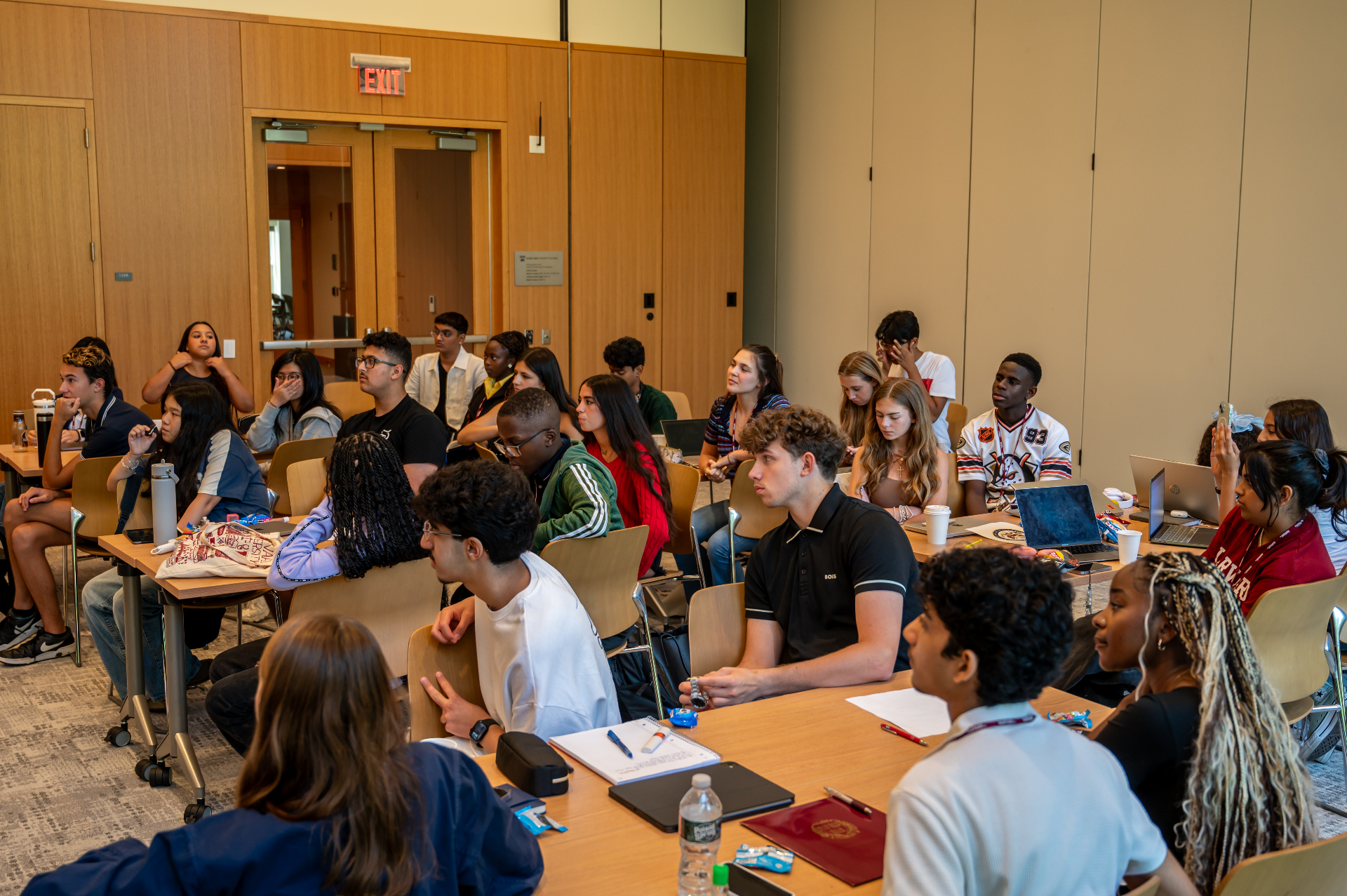
Every session produces a structured clinical deliverable. By Weekend 3, each student has a complete Junior Doctor Casebook and presents at Demo Day.
Mentored by Harvard Pre-Med Undergraduates
Guided live by Harvard students researching at Harvard Medical School labs - role models who were in your child's shoes just a few years ago.
Everything you need to know, in one place.
Select a 3-weekend batch and your local timezone below. Students build their Casebook live in class with zero weekday homework.
Session Time: 8:00 to 9:30 AM EST (1:00 to 2:30 PM UTC)
- Starts
- 19 December 2026Winter 2026-27 · Open now
- Duration
- 3 Weekends · 6 SessionsHarvard student mentors
- Timing
- Sat & Sun · 90 mins1:00 to 2:30 PM UTC · Zero weekday homework
- Where
- Live on ZoomSmall group of 15 to 20 peers
- Who can join
- Grades 5–8Ages 10–14 · No science background needed
- Program fee
- $499 early birdRegular fee $899 USD · Save $400
A new case every session. Six doors into medicine.
Each 90-minute session is built around a distinct medical mystery designed specifically for Grades 5–8, combining diagnostic detective work, human biology, and hands-on team challenges.
🩺 Welcome to Medicine · What Does a Doctor Really Do?
Explore healthcare roles, specialists, and what 'pre-med' truly means while stepping into your first clinical triage roleplay.
💡 Choose Your Project · Turning Curiosity into a Health Initiative
Brainstorm 3 health project ideas, run a structured peer feedback circle ('I like / I wonder / You could add'), and lock in your capstone topic.
🔍 Medical Mystery Case · Differential Diagnosis in Action
Investigate a mystery patient using symptoms, patient history, and lab evidence. Generate, rank, and defend your team's differential diagnosis.
🫀 The Gross but Cool Human Body · Organ & Immune Systems
Discover how major organ systems and immunity work together to keep us alive, then pitch your assigned body system in a team commercial challenge.
🚀 Beyond the White Coat · Plot Twist Week
Explore paths across research, public health, nursing, therapy, biomedical engineering, and global health through 1-minute team career spotlights.
🎓 Demo Day & Medical Conference · Scientific Showcase
Deliver your 3–5 minute capstone showcase, present your completed Casebook, answer live Harvard student mentor & peer Q&A, and graduate with your certificate.
6 sessions across 3 weekends.
Every Saturday and Sunday.
Each session runs 90 minutes live on Zoom. Students build their Casebook in real time during sessions, with no heavy weekday homework required.
Session Time: 8:00 to 9:30 AM EST (1:00 to 2:30 PM UTC)
Welcome & Project Kick-off
Step into medicine and choose your capstone health project.
Welcome to Medicine
- What does it mean to be a doctor
- Healthcare roles & medical specialists
- What 'pre-med' really means
- Output: Career interest reflection
Choose Your Project
- Brainstorm 3 health project ideas
- Peer feedback circle (I like / I wonder)
- Select final topic in medicine or care
- Output: Project planning worksheet
Clinical Reasoning & Anatomy
Diagnose mystery patients and explore human body systems.
Medical Mystery Case
- How doctors use symptoms & history
- Evidence-based diagnostic reasoning
- Team differential diagnosis defense
- Output: Diagnostic clues reflection
The Gross but Cool Human Body
- Major organ and immune systems
- How body systems keep us alive
- Pitch your body system commercial
- Output: Labelled body systems sheet
Careers & Scientific Showcase
Discover medical paths and present at Demo Day.
Beyond the White Coat
- Research, public health, engineering
- 1-minute team career card spotlights
- Final capstone showcase rehearsal
- Output: Career interest reflection
Demo Day & Celebration
- 3–5 minute capstone showcase
- Live Harvard student mentor & peer Q&A
- Graduation & Certificate Ceremony
- Output: Completed Casebook Portfolio
Skills future doctors build.
Clinical Reasoning
Generating, ranking, and defending a differential diagnosis from patient clues.
Medical Knowledge
Understanding major organ systems, immune defense, lab basics, and clinical vocabulary.
Case Presentation
Communicating medical findings clearly through oral showcases, Casebook writing, and debate.
Medical Ethics
Weighing patient care, fairness, and public health responsibility in real-world scenarios.
Intellectual Flexibility
Updating your hypothesis when new symptoms or unexpected plot twists appear.
Patient Empathy
Seeing the human being behind the symptoms and communicating with compassion.
Evidence Integration
Connecting symptoms, patient history, and scientific facts to support a conclusion.
'Why Medicine?' Clarity
Discovering which healthcare careers excite you most before high school begins.
Every skill is documented in your child's Junior Doctor Casebook and mentor assessment.
Completed Junior Doctor Casebook
Every mystery patient, diagnostic worksheet, organ-systems sheet, and Demo Day project compiled into a personal medical portfolio.
Certificate & Priority Fellowship Track
Official Junior Doctor Certificate of Completion (in collaboration with HPAIR) plus priority progression into the Grade 8–12 Fellowship.
Harvard Student Mentor Assessment
Individualized qualitative assessment written for parents by your child’s Harvard student mentor on clinical reasoning and showcase growth.
A Harvard pre-med student who is living the path right now.
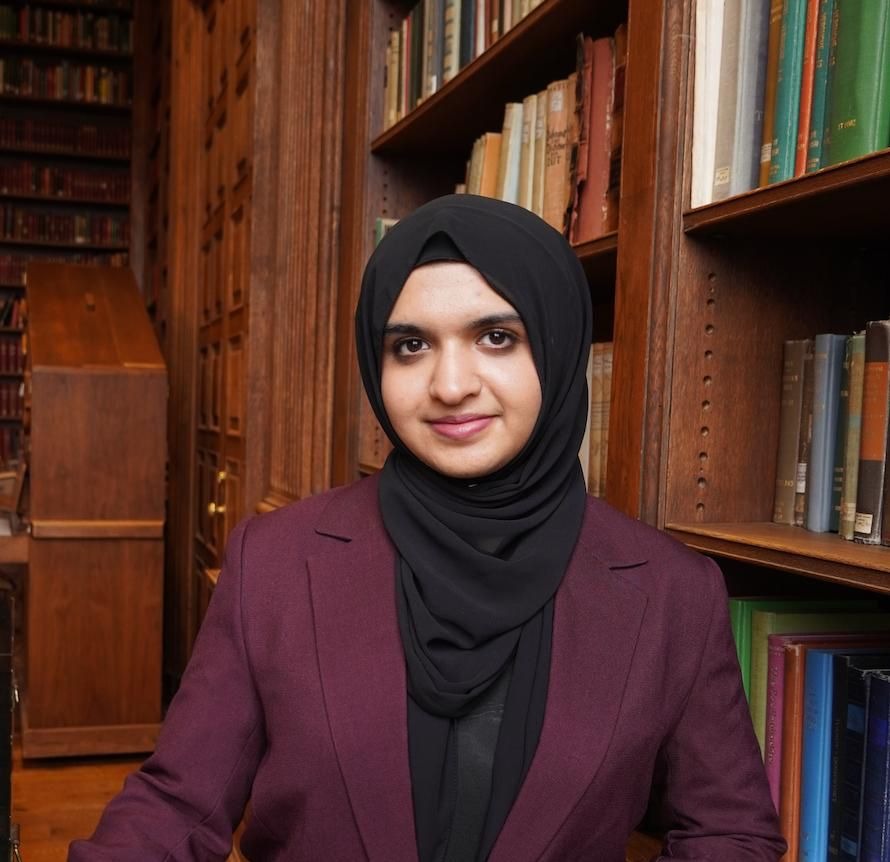
Your child isn't taught by a distant lecturer. They are mentored in small groups of 15–20 by Harvard undergraduates actively conducting research at Harvard Medical School labs and preparing for medical school themselves.
Harvard Student Mentor
Harvard College Undergraduate · Pre-Med Track
Every batch is led by a dedicated Harvard undergraduate mentor who guides case discussions, coaches each student's capstone health project, and writes a personalized assessment for parents.
Completed Junior Doctor Casebook
Every mystery patient, diagnostic worksheet, and reflection compiled into a personal portfolio.
Demo Day Capstone Presentation
A 3–5 minute scientific showcase presented live to peers, mentors, and parents in Session 6.
Certificate of Completion
Official certificate recognizing completion of all six clinical reasoning sessions.
Written Facilitator Assessment for Parents
Qualitative feedback from your Harvard student mentor on your child's reasoning and participation.
Priority Enrolment into Future Doctors Fellowship
Direct progression into the Grade 8–12 Fellowship track as your child grows.
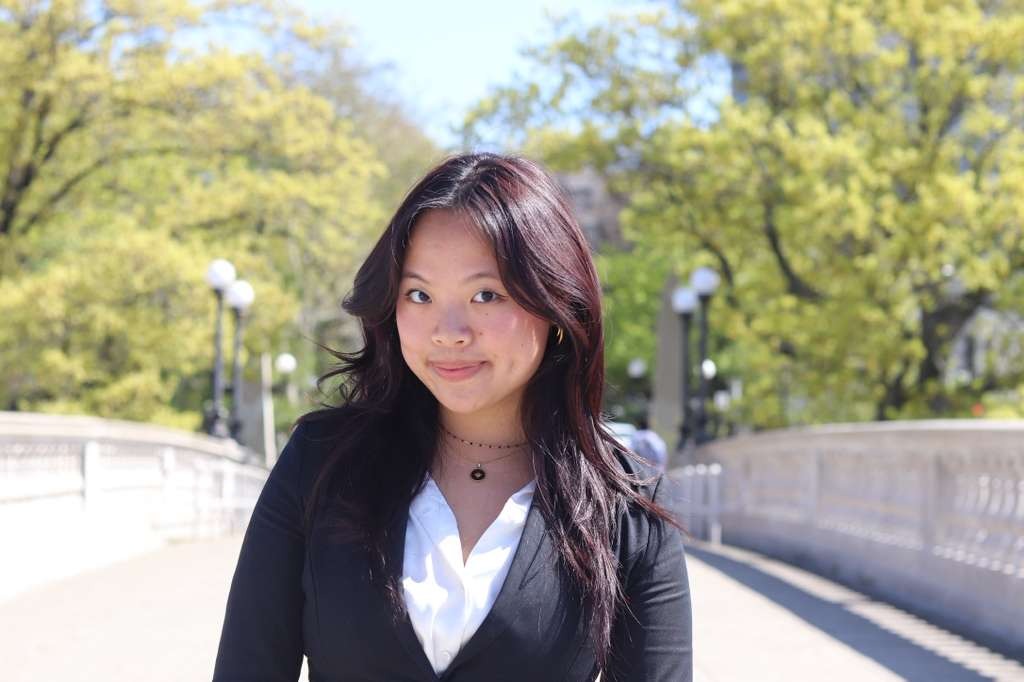
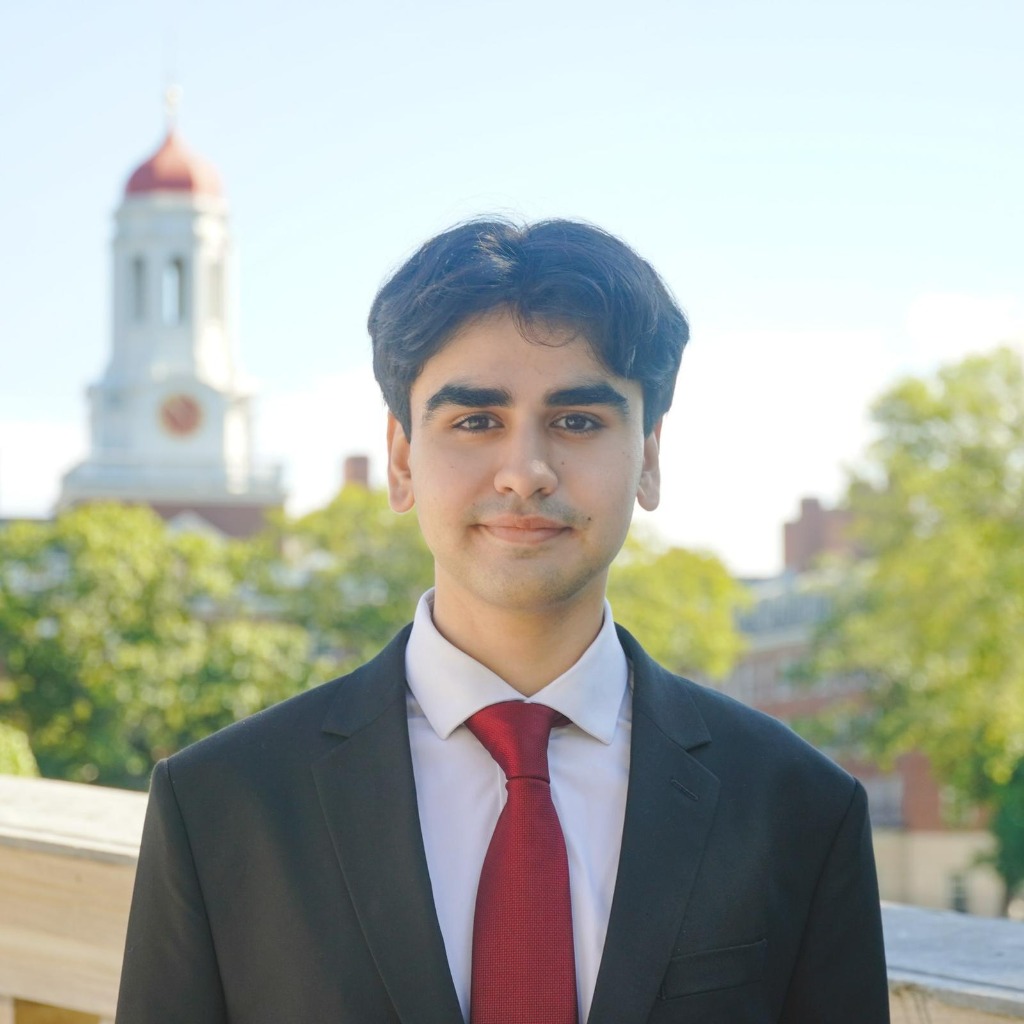
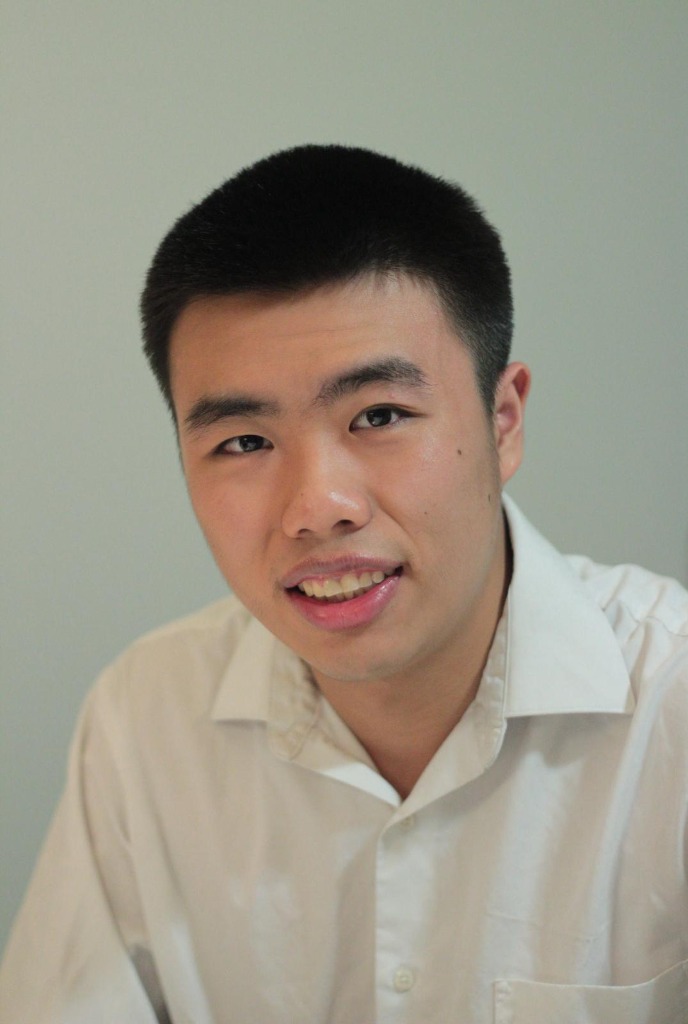
Harvard student Mentors
Our mentors are Harvard undergraduates studying neuroscience, biology, and chemistry - actively conducting research at Harvard Medical School labs.
One batch. Six mysteries.
The beginning of a future doctor's journey.
Everything your child needs for three weekends of live medical exploration with Harvard student mentors.
WHAT'S INCLUDED IN THE PROGRAM FEE
SELECT YOUR BATCH (3 WEEKENDS · SAT & SUN)
Save $400 · Instalment plans available
Takes 3 minutes · Rolling admissions until batch fills
Every question a parent asks.
My child has no science background. Is that okay? +
Completely okay, and expected. The program is designed for students who are curious about medicine, not students who already know it. Medical concepts are introduced through cases, not as prerequisites. A student who doesn't know what a white blood cell is will figure it out because they need to for the case.
How is this different from a summer science camp? +
Science camps teach science. The Junior Doctor Fellowship teaches how doctors think. A science camp teaches about bacteria. We put your child in a role where they have to figure out which bacteria caused an outbreak, interview the patient, debate the ethics, and present their findings. The reasoning skill is the product, not the knowledge.
What's the time commitment per weekend? +
Two sessions per weekend, 90 minutes each (Saturday & Sunday 8:00 AM – 9:30 AM EST / 1:00 – 2:30 PM UTC). There is no separate weekday homework, as students update their Casebook directly during live sessions.
My child is in Grade 5 - will they keep up with Grade 8 students? +
Yes. Grade 5 is the youngest eligible grade, and the program is designed for mixed grades 5–8 together. Each mystery is accessible to a 10-year-old but challenging enough for a 14-year-old. Older students model reasoning, younger students bring fresh perspectives - it works like a real medical team.
What does the Certificate of Completion mean for applications? +
At this stage, it's a foundation. The real value is the Casebook portfolio, the qualitative assessment from a Harvard student mentor, and priority entry into the Future Doctors Fellowship track in Grades 8–12.
What happens if my child misses a session? +
Sessions are recorded and shared within 24 hours. Since each session is a distinct mystery, missing one session doesn't derail the others. Students who miss can review the case materials and complete their Casebook entry.
Is the program available in Arabic, Hindi, or other languages? +
Sessions are in English, the language of medicine globally. For Gulf and India batches, facilitators are familiar with the linguistic context and explain concepts with cultural sensitivity.
Six mysteries. Three weekends.
One unforgettable start.
Next batch begins December 19, 2026 · Limited to 15–20 students per batch.
Apply for Fellowship, $499